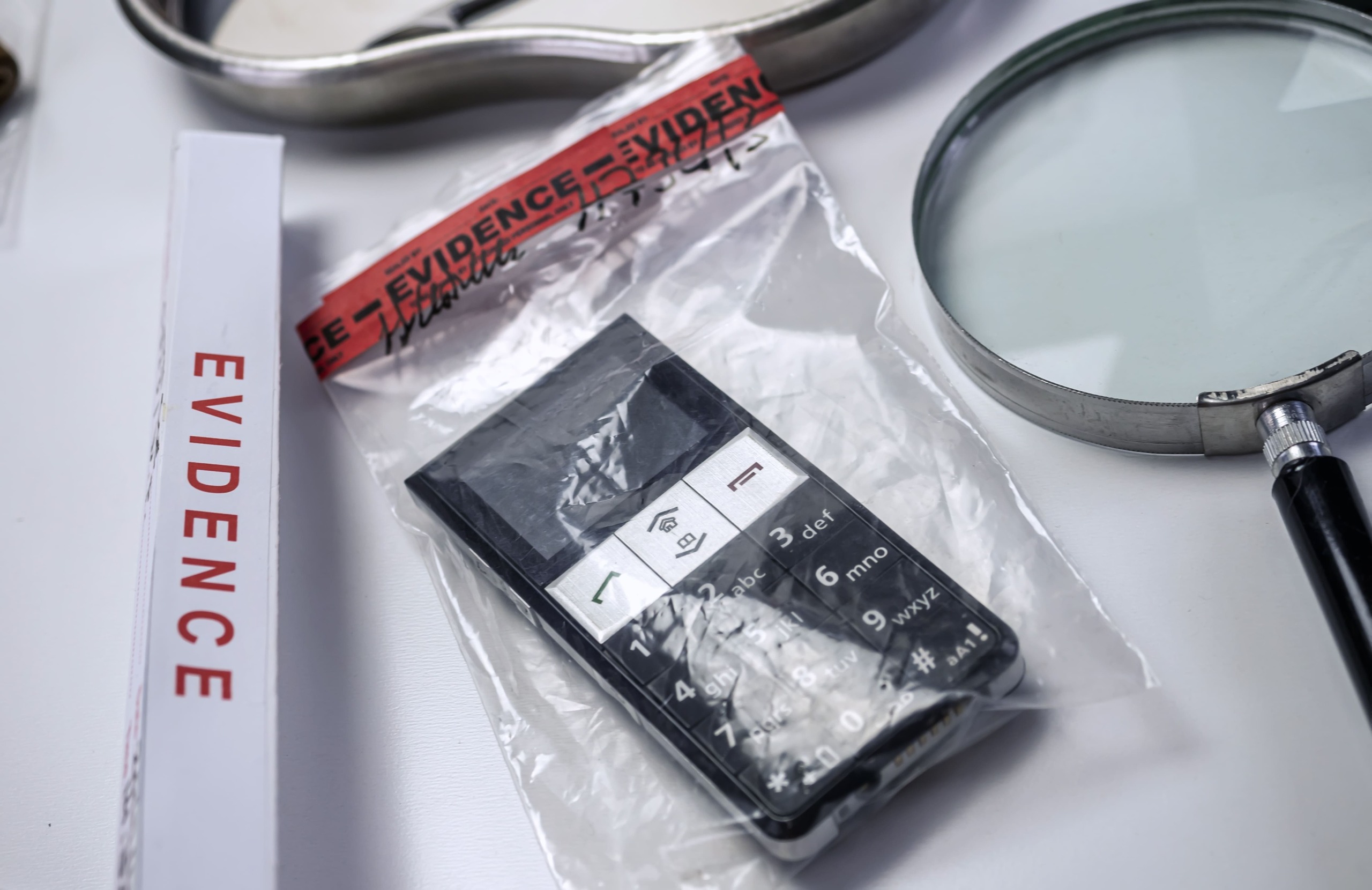
Having your phone seized during a police investigation can leave you unsure what investigators may access, how long they may keep the device and what you should do next.
Under section 39 of Singapore’s Criminal Procedure Code 2010, a police officer investigating an arrestable offence may access and inspect a computer, including a smartphone, if there is reasonable cause to suspect it was used in the offence or holds evidence of it. The power of seizure is one of the few special powers of investigation a police officer has.
At Ashvin Law Corporation, we advise clients facing criminal investigations, including when police seize a phone or request passwords or other access information. If police have seized your phone, a criminal attorney can help you understand why, what investigators may access, and what steps to consider next.
Key Takeaways
- Under section 39 of the Criminal Procedure Code 2010, police investigating an arrestable offence may access and inspect a computer, including a mobile phone, if they have reasonable cause to suspect it is connected to the offence or holds relevant evidence. This can include requiring a person who is believed to know the passcode or login details to help gain access.
- A separate provision, section 40, covers access to decryption information. It can only be used with an order from the Public Prosecutor.
- The scope of any examination, the type of data sought, and the powers relied on will vary from case to case. These are worth clarifying with a criminal defence lawyer.
- Avoid deleting, altering or remotely wiping data on a device once it has been seized. Doing so could create further legal problems.
- Keep a record of the seizure, and ask a lawyer how to handle the device’s retention, any request for access and its return.
Why Might Police Seize a Phone?

A mobile phone can contain messages, photographs, call records, location information, documents and app data. Investigators may consider some of this material relevant to an alleged offence or to establishing what happened.
Section 39 of the Criminal Procedure Code 2010 gives a police officer or authorised person investigating an arrestable offence powers to access, inspect and check a computer where there is reasonable cause to suspect it was used in connection with the offence or contains or contained evidence relating to it.
The exact powers engaged depend on the investigation and circumstances. A person whose phone has been taken should not assume that every part of the device or every account linked to it will necessarily be examined. Ask a lawyer to assess the seizure, the legal basis relied on and what the authorities have requested or done.
Questions to Ask a Criminal Attorney
A criminal attorney can help you make sense of the seizure and decide what information to provide to investigators. These questions can help organise an initial consultation.
1. What legal power was used to seize the phone?
Ask the lawyer to explain the stated reason for the seizure and the legal power investigators say they are relying on. Relevant details may include whether the phone was taken during a search, after an arrest or following a request to produce it.
If the phone was taken during a search, keep any document, list or receipt provided. Section 37 of the Criminal Procedure Code requires a list of things seized during a search under that Division, including where each item was found. The provision does not mean every seizure involves the same paperwork, so show the lawyer whatever you received and explain how the device was taken.
2. What data are investigators seeking, and how broad is the examination?
Ask whether the investigation is focused on particular messages, files, dates, contacts or applications. The answer may depend on what investigators have told you and what is known about the case.
You can also ask whether the lawyer can seek clarification about the scope of the examination. The phone may hold information belonging to other people or unrelated personal material. That does not automatically determine what investigators can access, but it is a practical concern to raise.
3. What should I do if I am asked for a passcode or other access information?
Tell your lawyer exactly what was requested, by whom and whether the request was written or verbal. Section 40 of the Code provides for access to decryption information and includes powers that may be authorised by the Public Prosecutor. Whether that provision or another power applies depends on the circumstances. Do not assume you can ignore a request or that you must respond in a particular way without first understanding its legal basis.
Be truthful when speaking with your lawyer. Do not guess about what may be on the phone, and speak to a lawyer about how to respond to any request for a statement or for access.
4. How might the seizure affect my case?
Ask how the phone’s contents could relate to the allegation, including whether messages or files may be interpreted without their full context. A criminal defence attorney can help identify relevant background and advise what records may be useful to preserve.
Do not edit or delete messages, reset the phone, change account settings to remove data or ask someone else to do so. Such steps may affect potential evidence and could complicate the situation.
5. How long might the phone be retained, and can I seek its return?
Ask what is known about the investigation’s progress and whether the device is still required. There is no single return date that applies to every case. The issue may depend on whether investigators need to examine the phone, whether it is relevant evidence and what procedures apply to the seizure.
The Code contains procedures for property seized under specified powers, including reporting the seizure to the relevant court and court decisions about the property. A lawyer can assess whether those provisions apply to your device and what steps may be available.
What to Do After Your Phone Is Taken

The first few steps can help you give your lawyer a clear account and avoid making the situation harder to assess.
- Write down what happened: Note when and where the phone was taken, who took it, what was said and whether you were given any paperwork.
- Keep related records: Save messages, emails or notices about the seizure. Do not alter or delete potentially relevant material.
- Record practical consequences: Tell your lawyer if you rely on the phone for work, banking, medical needs, caregiving or two-factor authentication. This may help them understand the urgency of a return request.
- List accounts and devices involved: Make a note of cloud accounts, linked computers, work profiles or shared devices that may contain related data. Do not attempt to change or erase them to affect the investigation.
- Get advice before responding to further requests: Share the exact wording of any request with your lawyer, especially if it concerns passwords, account access or technical assistance.
If the phone belongs to an employer, family member or business, explain that as well. Ownership and possession may be different, and the device may contain information relating to other users.
What a Lawyer Can Assess
A Singapore criminal lawyer can consider the seizure in the context of the investigation, rather than treating it as an isolated event. Depending on the facts, the lawyer may review:
| Issue | Information to gather | Why it may matter |
|---|---|---|
| Circumstances of seizure | Date, location, officers involved and what was said | Helps establish how the phone was taken and what explanation was given |
| Documents provided | Seizure list, receipt, notice or written request | Gives the lawyer material to review against the applicable process |
| Access requests | Any request for a passcode, account or decryption information | Helps identify what legal power may be relevant and what response is appropriate |
| Device use | Whether it is personal, shared or work-owned | Identifies other users and practical effects of continued retention |
| Relevant data | Dates, conversations, files or accounts connected to the case | Helps preserve context and inform advice |
| Return concerns | Essential services or work affected by losing the device | Helps the lawyer understand the practical urgency |
A lawyer may also advise you on interviews or further requests from investigators. If you have already given a statement or handed over access information, explain exactly what happened. An early, accurate account can help the lawyer assess the next steps.
Getting Advice After a Phone Seizure
A seized phone can raise questions about evidence, privacy, access requests and the length of time the device may be retained. The right response depends on the allegation, the legal powers involved and what has happened so far.
At Ashvin Law Corporation, we advise clients on criminal investigations and defence matters in Singapore. If police have seized your phone or asked you to provide access to it, speak with our team about the circumstances and the next steps to consider.
Frequently Asked Questions
Can police take a phone if its owner has not been arrested?
A person’s arrest and the seizure of a device are separate matters. Whether police may seize a phone depends on the circumstances and the legal power relied on. Ask a lawyer to review what happened and any paperwork provided.
Should I remotely erase my phone after it has been seized?
Do not remotely erase or alter data that may be relevant to an investigation. Speak to a lawyer before making changes to linked accounts or devices, as the consequences depend on the circumstances.
Can a seized phone contain evidence that helps the person under investigation?
It may. Messages, photographs, location records or other data could provide context or support an account of events. Tell your lawyer what you believe may be relevant and let them advise how to handle it.
What if the phone belongs to my employer or a family member?
Explain who owns the device, who uses it and whether it contains work or shared information. The owner may also need legal advice, particularly if investigators have made requests of them directly.
Can I ask investigators for a copy of the phone’s data?
Whether a copy can be provided depends on the circumstances and the stage of the investigation. Ask your lawyer whether a request is appropriate and how it should be made.

Theft or Misappropriation? The Question of Who Held It First

How a Lawyer for Theft in Singapore Approaches Mitigation Work